
 English
  Tiếng Việt
 In the era of digitalization and global connectivity, satellite phones are no longer an unfamiliar technology, but are becoming an essential tool for many fields such as exploration, rescue, maritime, and military. In particular, the development of technology has led to the trend of designing compact satellite phones, meeting the demand for more flexible and convenient use. This article will analyze in detail the development trend of compact satellite phones, from technological innovations, application potentials to challenges and opportunities.
Why is the trend of miniaturization being prioritized in satellite phones?
1. Demand for portability
- Suitable for individuals: Compact satellite phones are easy to carry in a pocket or backpack, suitable for expeditions, mountaineering, or travel to remote areas.
- Flexible applications: Compact devices can be integrated into daily activities, from emergency rescue to project management in remote areas.
2. Optimize user experience
- Easy to use: Compact devices usually come with simple and intuitive interfaces, suitable for non-professional users.
- Multi-functional integration: Modern satellite phones integrate GPS, emergency SOS, and support applications, helping to enhance the experience without needing multiple devices.
3. Meet the personal consumer market
The development of compact satellite phones is not only for professional fields but also extends to the personal consumer market. This allows more people to access satellite technology.
Technology drives the development of compact satellite phones
1. Low Earth Orbit (LEO) satellites
- LEO Technology: Low Earth Orbit satellites minimize signal latency and provide high-speed connectivity, allowing compact devices to operate efficiently.
- Applications:LEO systems from Starlink, OneWeb, and Iridium provide a solid foundation for future compact devices.
2. High-performance and energy-efficient processors
- Processor technology:New processor chips consume less power but offer strong performance, enabling smaller devices while ensuring connectivity.
3. Advanced power sources
- Compact batteries:New generation lithium-ion batteries provide long usage times while maintaining a small size.
- Solar charging:Compact satellite phones can integrate solar charging technology to operate in remote areas.
4. AI and IoT Integration
- Artificial Intelligence (AI):Optimizes connectivity and saves battery by automatically adjusting settings based on the usage environment.
- Internet of Things (IoT):Compact satellite phones can connect to IoT devices to collect and analyze data from the field.
Application potential of compact satellite phones
1. Rescue and relief
- Send SOS signals:Integrated SOS feature helps send emergency signals with GPS coordinates in dangerous situations.
- Group Communication:Compact satellite phones allow communication between rescue teams in remote areas.
2. Exploration and Adventure Travel
- Positioning Support:Integrated GPS helps users accurately locate and plan travel in areas without network infrastructure.
- Uninterrupted Communication:Ensures connectivity during mountain climbing, rainforest exploration, or polar expeditions.
3. Maritime and Aviation
- Fleet Tracking and Management:Compact devices help monitor the real-time location of ships and aircraft.
- Communication at Sea:Satellite phones ensure stable communication even when in the middle of the ocean.
4. Military and Security Applications
- Secure Communication:Compact satellite phones are equipped with encryption technology, ensuring information security in military operations.
Featured Compact Satellite Phones
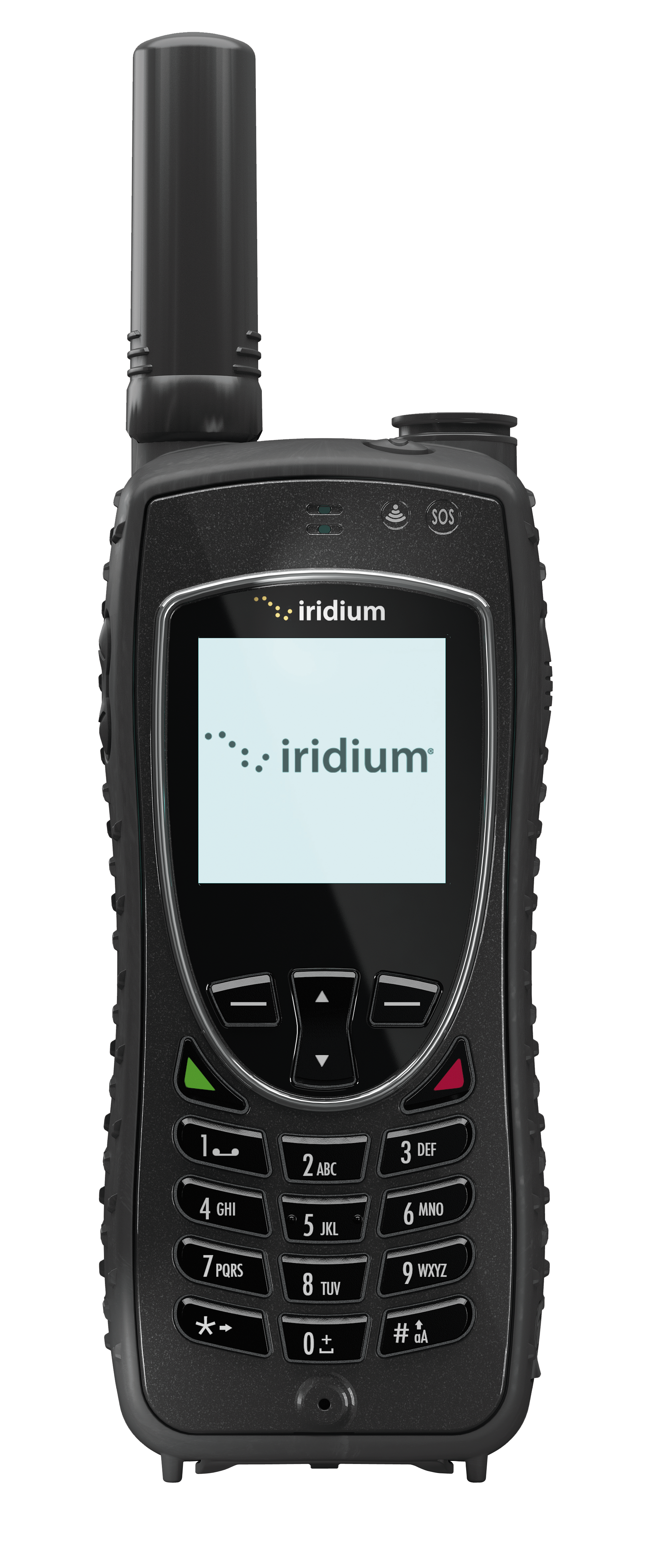
1. Iridium Extreme 9575
- Advantages:Durable design, integrated GPS, SOS signaling capability.
- Applications:Ideal for exploration and rescue.
2. Thuraya XT-LITE
- Advantages:Affordable price, easy to use, high-capacity battery.
- Applications:Suitable for travel and personal communication.
3. Garmin inReach Mini
- Advantages:Compact size, integrated GPS and satellite messaging function.
- Applications:Supports mountaineering, camping, and outdoor trips.
4. Inmarsat IsatPhone 2
- Advantages:Operates in harsh weather conditions, long battery life.
- Applications:Suitable for maritime and desert areas.
Challenges for the compact satellite phone trend
- High production costs:Miniaturization technology for components requires significant investment, leading to high product costs.
- Battery life:Compact devices often struggle to provide sufficient battery life for extended operations.
- Connectivity:Small size can reduce antenna performance, affecting signal reception and transmission capabilities.
- Legal issues:Regulations on frequency and satellite network management can slow down the deployment of compact devices.
Future development trends
- Satellite connectivity and 5G networks: Future satellite devices may seamlessly integrate with 5G networks to provide high-speed connectivity.
- Enhanced automation: Artificial intelligence will enable devices to automatically optimize connectivity and conserve energy.
- Flexible Design:Satellite phones can be integrated into smartwatches, wristbands, or other wearable devices.
- Affordable services: Competition among providers like SpaceX, Iridium, and OneWeb will reduce costs, making this technology more accessible to many.
Conclusion
The trend of developing compact satellite phones is opening up significant opportunities for the telecommunications industry, meeting the growing demand for mobility, convenience, and high performance. With the support of modern technologies such as LEO satellites, 5G integration, and artificial intelligence, compact satellite phones are not just professional communication tools but are becoming an essential part of daily life. Despite many challenges, the future of this technology promises to bring breakthrough solutions, contributing to building a more connected world.
Originally posted 2025-01-22 07:00:15.