
 English
  Tiếng Việt
 Satellite phones are essential tools for those working in areas without mobile coverage, such as remote mountainous regions, oceans, or during travel and expeditions. By connecting through satellites orbiting the Earth, satellite phones allow users to maintain communication and access telecommunication services where regular mobile networks cannot be used.
Not only for personal needs, but satellite phones also play a crucial role in space exploration, helping to connect scientists, engineers, and expedition team members. This article will explore the relationship between satellite phonesand in appropriate configurations. These technologies help improve the quality of positioning data when the operating area has corresponding augmented signal support.space exploration missions, and examine how this technology helps humans overcome the limitations of space and time.


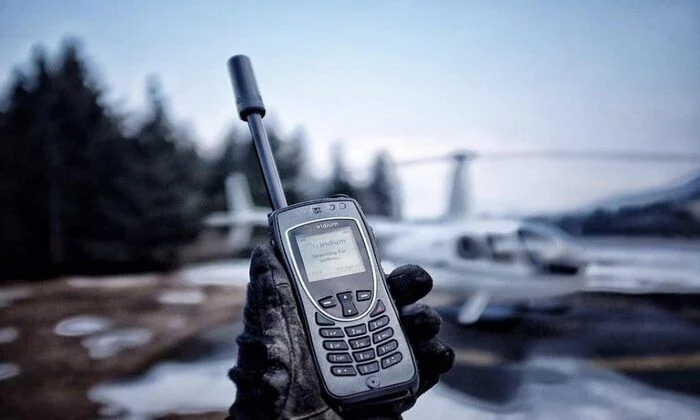
Satellite Phones: Technology Beyond All Limits
Satellite Phones in Space Exploration
Throughout space exploration missions, a critical factor is the ability to maintain stable and continuous communication between astronauts and the space station or ground control. However, maintaining connection in space is not simple. Astronauts face numerous challenges when communicating with Earth, including vast distances, changing environmental conditions, and issues related to data transmission technology. Satellite phones and space connectivity not only provide communication channels for astronauts but also support direct calls, data exchange, images, and videos between the space station and ground control. Space communication satellite systems, such as Geostationary Earth Orbit (GEO) communication satellites, are designed to support information transmission with extremely low latency, which is crucial in emergency situations or when precise coordination between teams is required.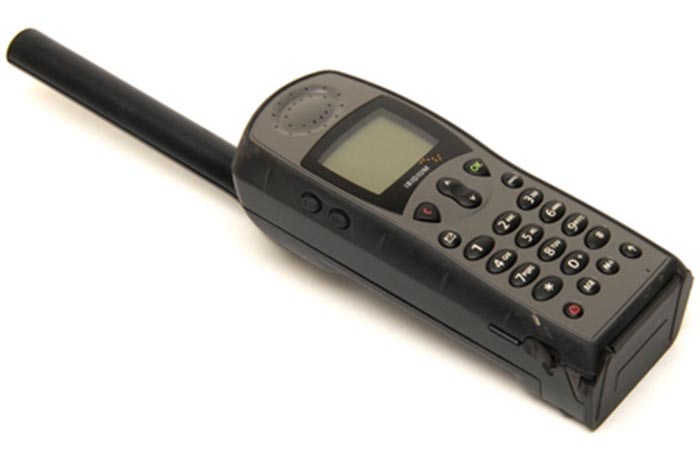
Satellites and Space Exploration Missions
While regular satellite phones are used for Earth-based expeditions, when we talk about space exploration, the role of communication satellites and connectivity technology becomes even more important. Satellite communication systems are used not only to connect space stations and spacecraft with Earth but also play a role in tracking and controlling automated exploration devices sent from other planets, comets, and moons in the solar system. NASA's and international space agencies' satellite communication systems provide seamless connectivity for space exploration missions like NASA Deep Space Network (DSN), a system that supports connection and data transmission from spacecraft at extremely long distances, including those exploring Mars, Jupiter, and other planets.Satellite Phones and Earth Exploration Missions
Satellite Phones in Earth Expeditions
Satellite phones are not only important in space exploration but also in Earth exploration missions. During expeditions to remote areas or harsh environments, maintaining communication is crucial for safety and mission effectiveness. Explorers participating in expeditions at sea, in the mountains, or deep into jungles need a tool like a satellite phone to stay connected with their teams and rescue centers when needed. Satellite phones help connect explorers with support services and colleagues in remote areas. This is why this technology is an indispensable part of scientific exploration, rescue, and environmental research missions. Explorers can use satellite phones to exchange important information, send status reports, or receive instructions from remote experts.https://www.youtube.com/watch?v=6BoR6H_rF44&pp=ygUZxJFp4buHbiB0aH_huqFpIFbhu4cgVGluaA%3D%3DNew Technology in Satellite Phones: New Features
High Data Speeds and 4G, 5G Connectivity
One of the biggest innovations in satellite phone technology is the advent of broadband internet connection. Modern satellite phones not only support calls and messaging but also offer high data speeds for web browsing, sending emails, and even real-time video streaming. Current satellite systems utilize new satellite networks like LEO (Low Earth Orbit): LEO satellites operate at low altitudes, only about 500 to 2,000 km above the ground, which reduces signal latency and enhances call and data quality. Satellite service providers such as Iridium and OneWeb are using LEO networks to provide global connectivity with low latency and stable signals. to reduce signal latency and improve data transmission quality. Furthermore, some modern smart satellite phones have integrated 4G LTE and 5G technology, boosting connection speeds and providing a smoother internet experience even in remote areas. This is particularly useful in exploration missions when scientists and engineers need to transmit scientific data, images, or videos directly from space stations or exploration vessels.Touchscreens and GPS Positioning Features
Modern smart satellite phones are equipped with touchscreens and advanced features like GPS positioning and real-time location sharing capabilities. This allows exploration teams and scientists to easily track each other's locations during long journeys or in emergency situations. This feature is also crucial for remotely tracking spacecraft, satellites, or exploration equipment. Smart satellite phones can send SOS signals in emergencies, enabling users to quickly receive assistance from rescue agencies or control centers. This is a significant improvement that enhances user safety in dangerous environments.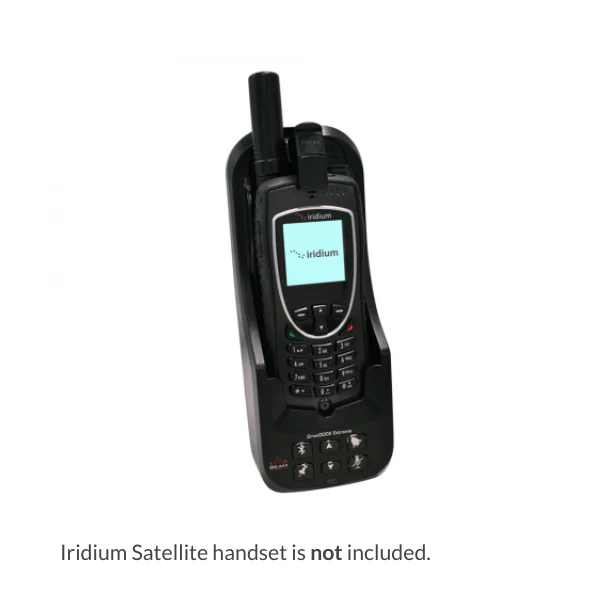
Satellite Phones in Expeditions: Global Connectivity
Expeditions, whether in space or on Earth, have one thing in common: connectivity and communication. Satellite phones play a crucial role in maintaining this connection. With the ability to provide global connectivity, satellite phones help users stay in touch no matter where they are, from space stations to remote areas on Earth. The use of satellite phones in expeditions not only allows scientists and astronauts to communicate with mission control but also helps them easily receive instructions, updates, and send crucial research and exploration data.Conclusion
Satellite phones are becoming an indispensable tool in space and terrestrial expeditions. Technological advancements such as LEO satellite networks, broadband internet connectivity, touch screens, and GPS positioning features have opened up possibilities for global connectivity beyond limits. With these technological advancements, satellite phones not only help maintain communication in challenging environments but also play a vital role in collecting and transmitting data from remote areas of space and Earth.Originally posted 2025-01-21 10:55:54.